

Pricing is as much behavioral science as it is math. Small, intentional changes to presentation, anchoring, and framing, change perceived value and conversion more than raw price points. This post distills the practical psychology you can apply to pricing pages, packaging, and negotiations to increase revenue ethically and sustainably.
Why pricing psychology matters
• Buyers decide emotionally and rationalize with numbers.
• Perception of fairness drives conversion, renewals, and referenceability.
• Strategic framing turns feature lists into outcomes and price tags into choices.
Key behavioral levers
Anchoring
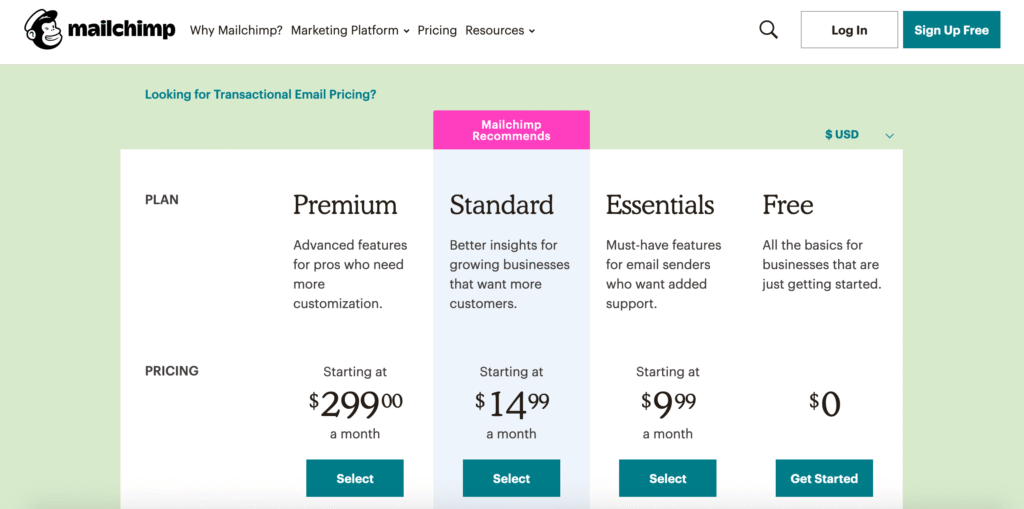
Anchors set expectations — a high list price makes the recommended plan feel like a clear value.
Pricing page showing a high “Premium” list price or crossed‑out MSRP beside a mid‑tier “Recommended” plan:
Partitioning
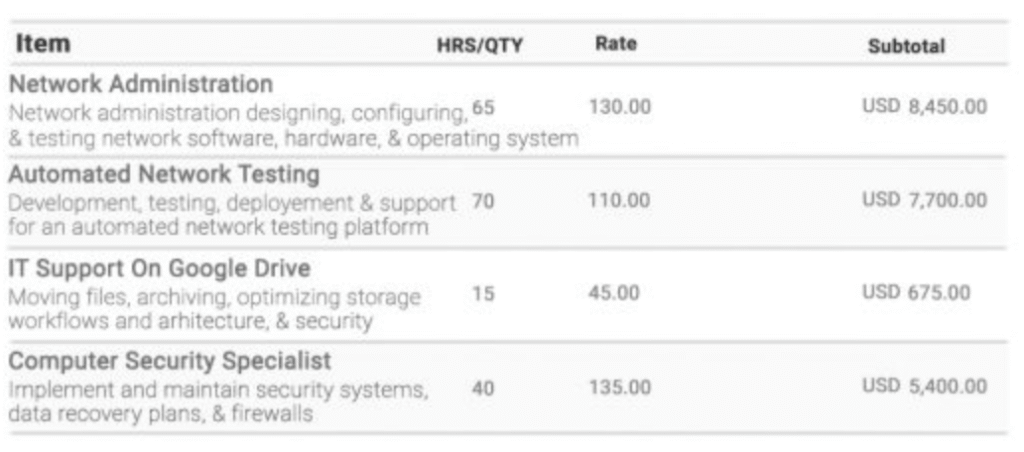
Partitioning clarifies value, line items shift attention from a single large sum to discrete, defensible services. Offset: be prepared to negotiate and defend this value once partitioned.
Pricing page or sample invoice that splits total cost into subscription, compliance pack, and support lines.
Decoy effects
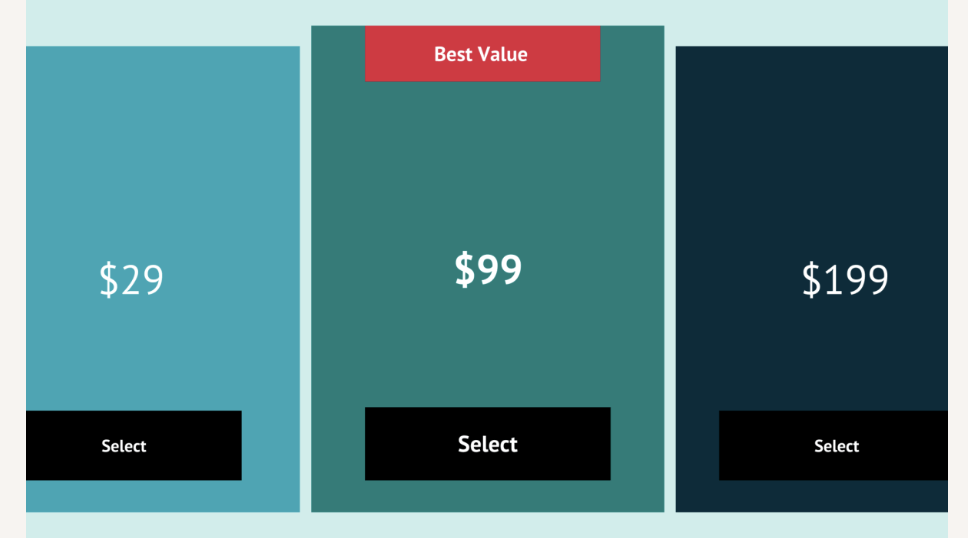
Decoys steer choice, a strategically placed mid plan increases take‑rate on the profitable option.
In addition to the great mailchimp example we saw earlier that is mastering decoy, there are many simple ways to impact selection, with highlights, colouring, sizing and positioning
Temporal framing
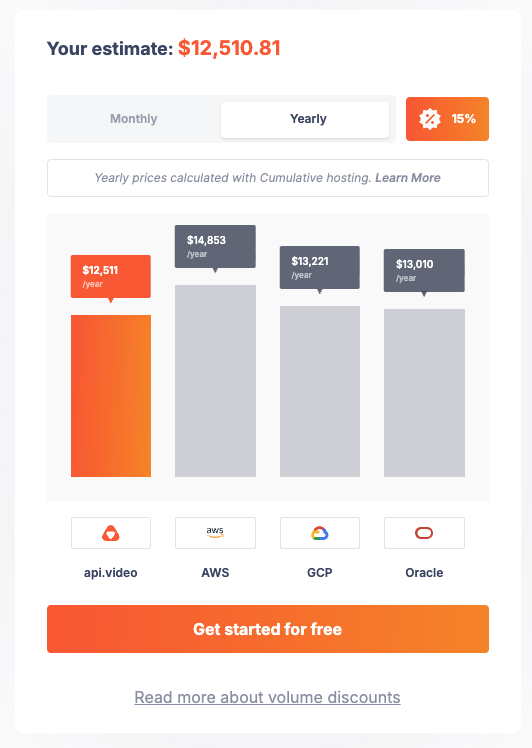
Time matters, framed commitments and limited windows convert urgency into predictable revenue.
Pricing page showing “Lock price for 12 months” vs. monthly pricing or a limited‑time launch discount callout.
Price Endings and Precision
Micro signals matter, precision vs. rounded pricing sends different value cues to different buyer segments.
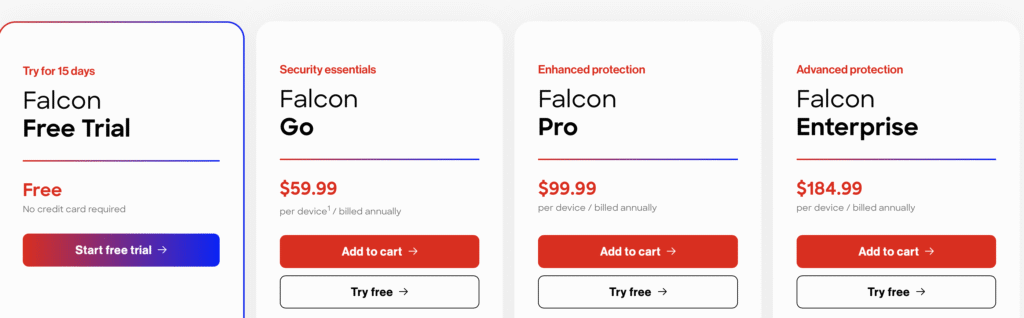
An exact precise number such as $23 might often give confidence that it has been carefully calculated and fairly thought off, while a rounded number $100 is easier to remember and keep in mind when comparing.
Opinions vary when it comes to decimals such as the known 9 ex. $99, which on one hand passes the math test when compared to the rounded $100 however it can also be perceived as a “cheat” that you are not really gaining anything. With the evolution of AI in procurement services decimals will matter even more with combinations of memorable, precise numbers where math works being the most succesful. Do not underestimate them, decimals can translate to millions.
Outcome Framing & Display
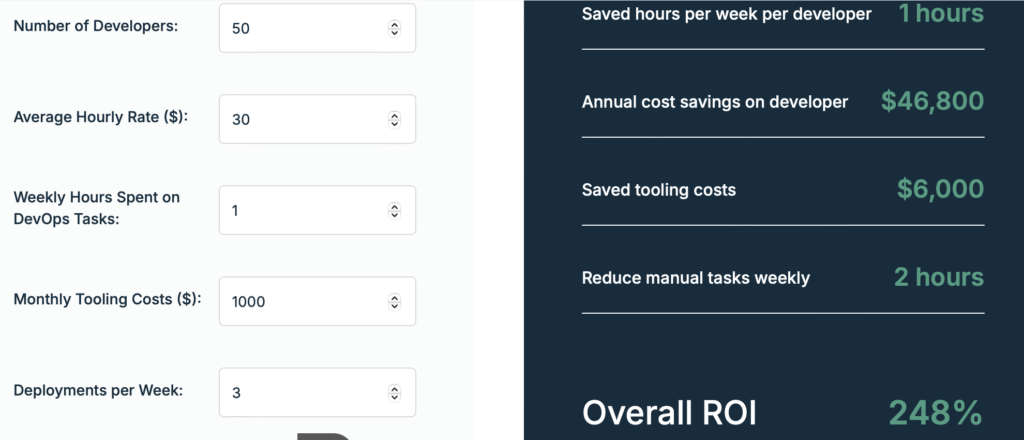
Outcome framing converts features to business value, buyers pay for measurable outcomes, not checkboxes.
Examples can include ROI calculators but also more specific value points per feature “Reduce MTTR 40% – an estimated $1,500 savings”, “Save 1 full hour per day and $16K per month”
Practical playbook
- Show three clear tiers with feature‑led anchors and a highlighted recommended plan.
- Use comparative metrics, not raw features, to tie price to business outcomes customers care about.
- Price with simplicity: reduce cognitive load by using one primary metric and one secondary add‑on.
- Test micro‑changes: currency precision, price endings, and descriptive labels; measure lift with A/B tests.
Ethical rules of engagement
- Always make total cost of ownership transparent and easy to simulate.
- Avoid manipulative scarcity or misleading comparisons.
- Ensure promotional tactics have clear end dates and transition paths to standard pricing.
- Use psychology to clarify value, not to obscure cost.
Sales and negotiation tactics
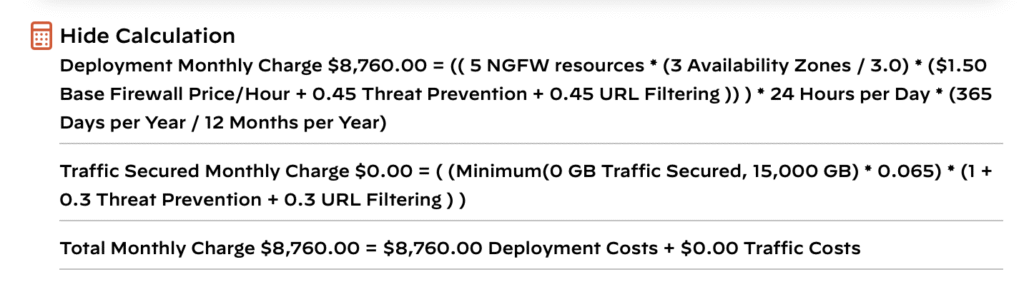
- Train sales to use anchoring scripts that emphasize value anchors and ROI narratives.
- Equip presales with calculators that show customer‑specific benefits tied to the prospect’s metrics.
- Implement disciplined discounting: quantify the impact of every concession on LTV and renewal risk.
Metrics to measure
- Conversion lift from tier redesign or anchor changes.
- Average contract value movement when decoy or partitioning tactics are introduced.
- Churn and NPS to ensure perception of fairness remains intact.
- Time‑to‑close and discount depth during negotiation.
Conclusion
Pricing psychology is a multiplier: small, principled changes in how you present and frame offers move behavior dramatically. Use anchors, partitioning, and decoys to clarify choice and highlight value while following ethical guardrails that protect customer trust. Test rigorously, measure impact, and scale what increases revenue without compromising fairness.
